

Shaxi Old Town
Review of
Très belle vallée, agréable vieille ville devenant toutefois de plus en plus populaires des touristes chinois
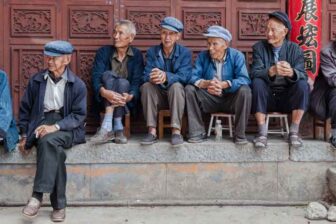
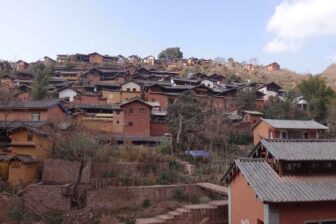
- Review updated on 09 juin 2026Some pictures of Shaxi
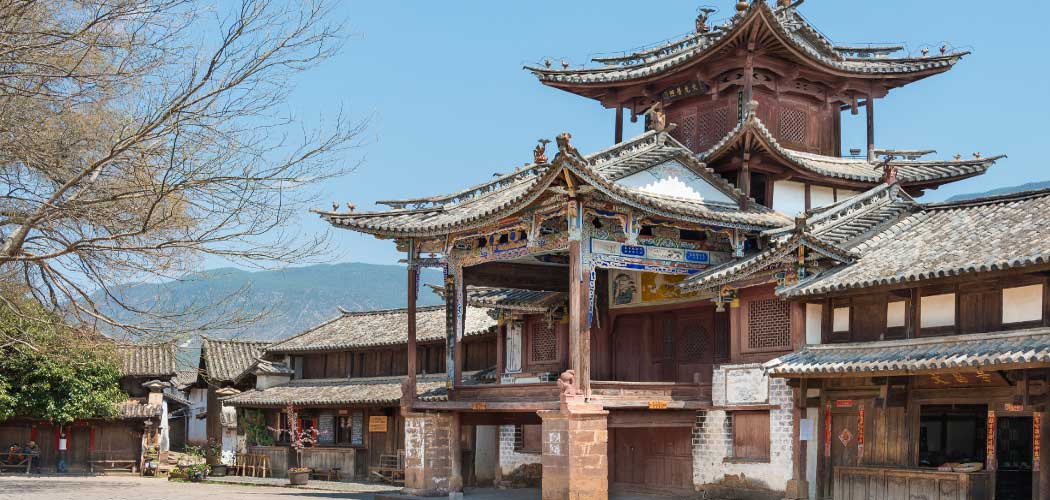
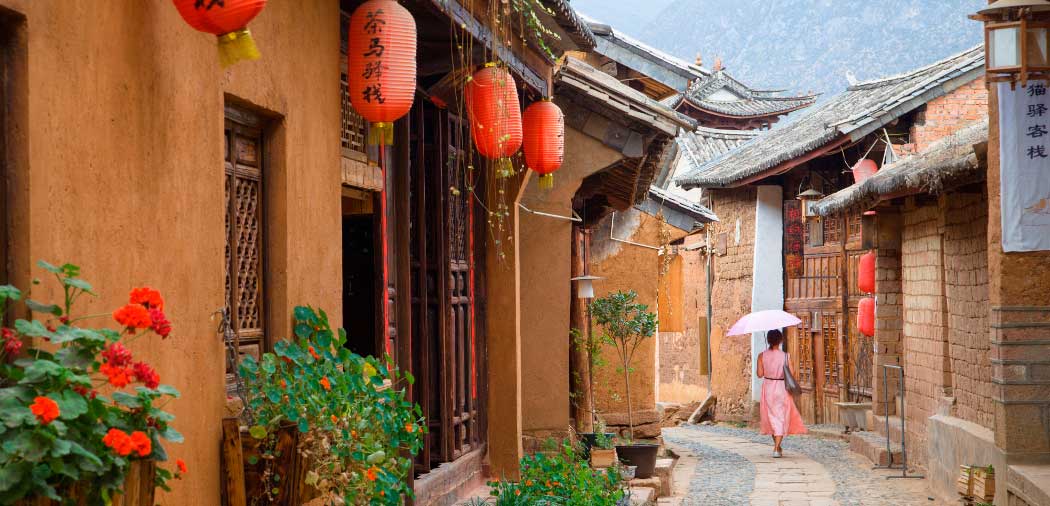
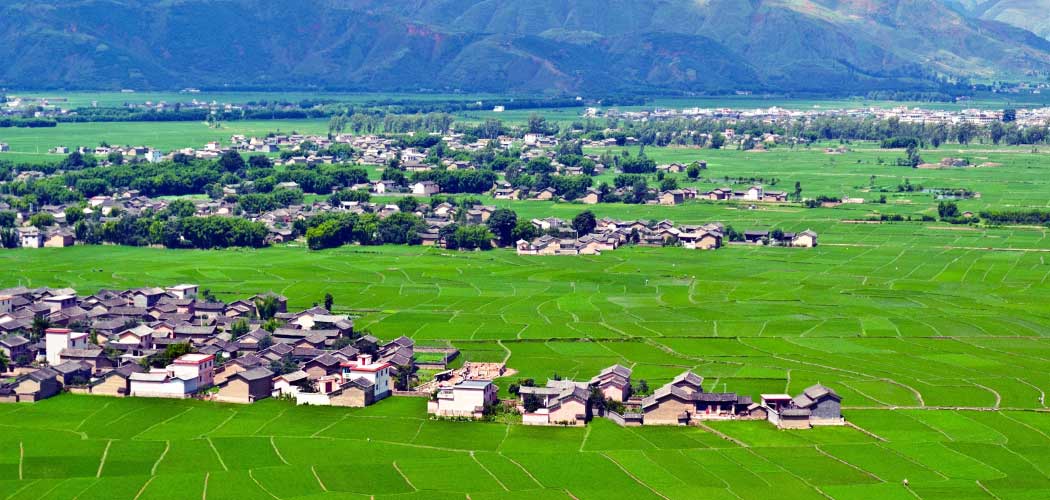
Shaxi presentation, between Dali and Lijiang in Yunnan
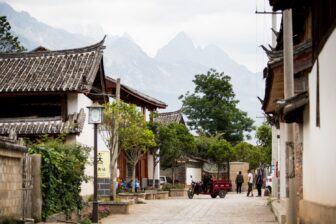
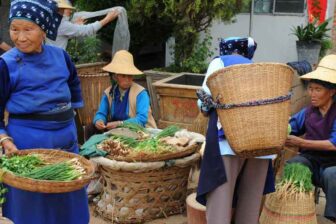
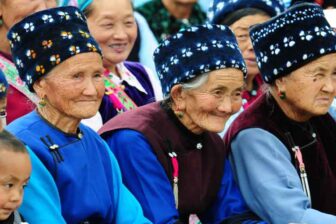
Shaxi once played an important role as a bustling trade station on the Tea and Horse Caravan Road, an important branch of the Silk Road. Just over one thousand years ago, this ancient trade route connected Tibet with Eastern China. In exchange for teas from Yunnan, Tibetans traded their famous breed of horse to Song Dynasty officials in eastern China, who were busy defending their territory from invaders from the north. Thus the Tea and Horse Caravan was born. Shaxi became the main trade station along this route.Though today Tibet and China don’t trade along this route, Shaxi still has that border-town feel. Old cobble-stoned alleyways still look like they did a thousand years ago. And different minorities, including the Yi and Bai, still clash every Friday during the Sideng Market when mountain villagers come down from the hills to trade their goods. The World Monuments Fund has listed Shaxi as one of the 100 most endangered sites in the world; therefore, Shaxi has recently undergone massive efforts to preserve ancient architecture and culture.The Sideng Friday market in Shaxi is one of Yunnan’s finest. On this day, minority peoples of the Yi and Bai come down from their mountain villages dressed in their finest attire. The market serves as both a meeting place for friends and family as well as a place to trade for goods hard to come by in the mountains. The animal market is one of the most interesting features. Pigs, cows, goats, sheep, ducks, and chickens are traded openly in a large field adjacent to the main road.
Acces to Shaxi
Shaxi on lies on the old road between Dali and Lijiang. The village is now reachable within 3 hours from Dali, also 3 hours from Lijiang and Shangri La via a new highway. We advise you to rent a car to visit Shaxi, the surrounding villages, and also the Shibaoshan Mountains site.
Accommodations in Shaxi
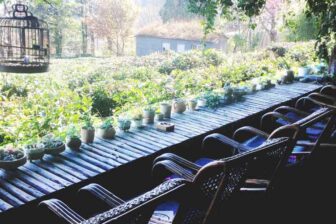
2 beautiful places in Shaxi and its valley, making the step in the Shaxi area even more pleasant and comfortable: The Laomadian Lodge, located in the heart of the city, and the Old Theater Inn, in a small village from the Shaxi Valley. Following the closure of Laomadian Lodge in 2017, we recommend the Aoding Courtyard, in the heart of the old city.
Photos 360° in Shaxi
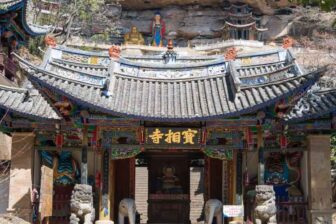
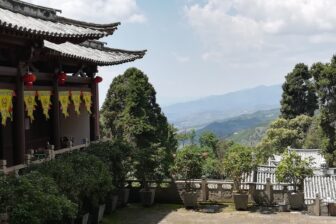
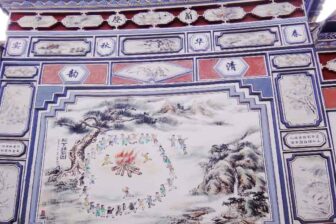
Find below some pictures taken in the old town of Shaxi, Yunnan, China.
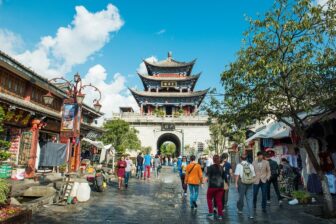
Central square in the heart of Shaxi
Click on the photo above and use the controls at the bottom of the photo to rotate the image 360 °.First courtyard of Shaxi Temple
Second courtyard inside the Shaxi Temple
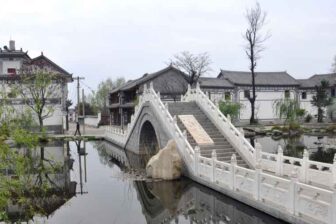
Old bridge below the old Shaxi
Shaxi Old Town : visits around



Our travel ideas to personalizeSee all tours